Hanna Embroidery Design Review
First Impressions: What “Hanna” Feels Like in Your Handmade Collection
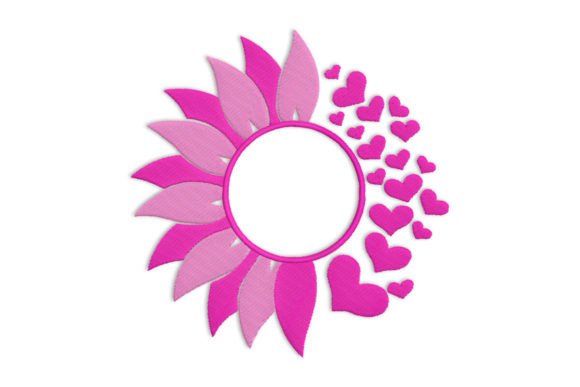
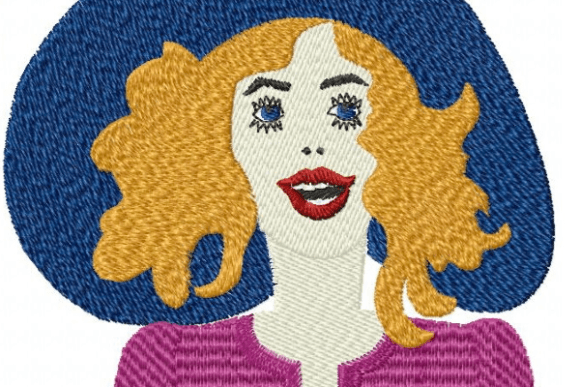
As an embroidery seller who’s curated over 200 designs for Etsy and craft fairs, I opened Hanna expecting something soft, approachable—and I wasn’t disappointed. The name alone hints at warmth and familiarity, and the description confirms it: “a burst of vibrant colors” on hoodies, jackets, bags, and pillows. This isn’t a bold monogram or a graphic statement—it leans feminine, cheerful, and quietly confident. Think cottagecore charm meets modern simplicity: not overly delicate, not aggressively trendy. It’s the kind of Creative Fabrica embroidery that feels like it belongs on a handmade baby blanket *and* a boutique apron.
Where Hanna Fits Best: From Concept to Commercial Reality
Hanna reads as versatile—but not generic. Its strength lies in intentional adaptability. For Etsy sellers, it shines brightest on products where personality and polish matter equally: embroidered tote bags (especially natural canvas or linen), relaxed-fit sweatshirts (think oversized crewnecks in oat or heather grey), and pillow covers with textured weaves. It also bridges gaps in seasonal collections—pair it with sage green thread for spring, terracotta for fall, or icy blue for baby gifts. Because it’s described as crafted with both silk and cotton threads, there’s implied dimensionality and sheen—ideal for products customers photograph and share: think Instagram-ready kitchen towel embroidery or personalized gift tags stitched onto linen pouches.
Real-World Product Pairings That Sell
- Tote bag design: Stitches cleanly on medium-weight canvas; looks elevated without needing foil or appliqué.
- Sweatshirt embroidery: Balanced density means it won’t stiffen the fabric—key for comfort-driven apparel listings.
- Baby embroidery: Soft color palette and gentle shape make it ideal for onesies, burp cloths, or milestone blankets.
- Embroidered patch: Clean outer edges suggest easy tear-away or heat-seal backing options—great for craft fair bundles.
- Personalized gift: Works beautifully when paired with a single initial or subtle date—no overcrowding needed.
Why Hanna Helps You Stand Out Online
In a crowded marketplace, Hanna supports what buyers actually respond to: emotional resonance and visual clarity. Its “burst of vibrant colors” translates to strong contrast in product photography—even thumbnail-sized Etsy listing images pop. That means higher click-through rates. It also feels inherently giftable: not too niche, not too literal. A customer buying a custom apron with Hanna isn’t just purchasing function—they’re choosing warmth, care, and quiet intention. That perception lifts perceived value, supports premium pricing, and encourages repeat buyers who recognize your cohesive aesthetic.
Practical Notes Every Seller Should Check Before Listing
Before adding Hanna to your shop, treat it like any new supplier—not just another digital embroidery file. Here’s what I do:
- Test the design first: Run a stitch-out on your most common fabric blend (e.g., cotton twill for totes, fleece for hoodies). Note how it behaves with your preferred stabilizer—does it pucker? Does the silk/cotton mix require tension tweaks?
- Photograph on real fabric: Don’t rely on Creative Fabrica mockups alone. Capture natural-light shots on your actual product base—this builds trust and informs your listing visuals.
- Compare thread color options: Vibrant doesn’t mean loud. Try muted pastels alongside jewel tones to see which best supports your brand palette.
- Check readability at thumbnail size: Zoom out to 25% in your design software. Can you still sense the flow and balance of Hanna? If details blur, consider offering a simplified version for smaller items like caps.
- Confirm hoop size and stitch density: These impact production time and machine compatibility. Since the description doesn’t specify, verify on the Creative Fabrica product page before committing to bulk orders.
- Review licensing terms carefully: As a commercial embroidery user, confirm whether the license permits finished goods sold on Etsy, at craft fairs, or via wholesale. Never assume.
How Hanna Supports Your Broader Craft Business
Beyond single listings, Hanna is a smart building block for scalable creativity. Use it to create printable mockups for social media previews—showing how it looks on a linen pillow cover *and* a denim jacket helps customers imagine ownership. It works seamlessly in small-batch apparel drops, especially when bundled with coordinating designs (e.g., a “Hanna + Wildflower Trio” for spring collections). For craft fair vendors, it’s a reliable anchor piece—familiar enough to draw interest, distinctive enough to spark conversation. And because it’s rooted in accessories and embroidery, it integrates naturally into lifestyle branding: think “handmade home decor” or “thoughtful custom apparel” rather than just “embroidery files.”
Final Thought: Is Hanna Right for Your Shop?
If your craft business values authenticity over algorithm-chasing—if you sell pieces meant to be held, gifted, and kept—then Hanna earns its place. It’s not flashy, but it’s memorable. Not minimal, but never cluttered. It’s the kind of machine embroidery design that makes customers pause mid-scroll and think, “That feels like *mine*.” Just remember: its real value unfolds only when you test it, photograph it, and let it live on real fabric—not just in your cart. Take the time. Your next best-selling handmade product might already be named Hanna.