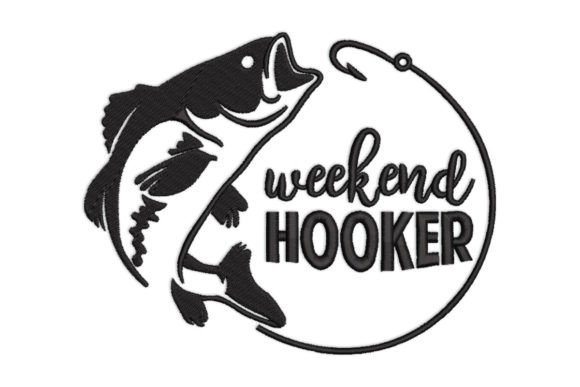
Weekend Fish Hook Embroidery Design
As an embroidery designer who’s developed and tested over 300 machine embroidery designs for small shops, craft fairs, and Etsy sellers, I approached the Weekend Fish Hook with quiet curiosity—not just as another fish-themed file, but as a potential signature piece for personalized gift products. What stood out immediately wasn’t technical perfection (though it’s well-constructed), but its emotional resonance: laid-back, sincere, quietly nostalgic. It doesn’t shout “fishing!”—it hums a gentle weekend tune.
A First Impression That Feels Like Home
The Weekend Fish Hook lands somewhere between rustic charm and modern minimalism. It features a stylized fish hook entwined with a subtle fish silhouette and soft botanical flourishes—think delicate fern tips or airy water ripples—not heavy line work or cartoonish exaggeration. There’s no text, no dates, no slogans. That absence is intentional and powerful: it leaves room for the recipient’s story. A new parent might see calm anticipation; a couple might read quiet partnership; a retiree, a lifetime of simple joys. It feels handmade without looking amateurish, playful without tipping into kitsch, and seasonal without locking itself into summer alone.
Where Weekend Fish Hook Shines in Personalized Gifting
This design excels where emotional weight meets everyday utility—exactly where handmade product makers thrive.
- Baby embroidery: Stitched on organic cotton swaddles or muslin blankets, Weekend Fish Hook reads as serene and grounded—not cutesy, not gendered. Perfect for nature-loving parents who want meaning over motifs.
- Wedding gift: On linen pillow covers or monogrammed kitchen towels for the couple who hikes, camps, or keeps a rowboat docked somewhere. Paired with neutral thread colors (oatmeal, slate, deep teal), it becomes heirloom-level understated.
- Nursery decor: Small-scale versions hold beautifully on wall hangings or framed hoop art. Its open composition avoids visual clutter—ideal for minimalist or Scandinavian-inspired nurseries.
- Embroidered towel & apron: The balanced stitch density means it holds up on terry cloth without puckering, and reads cleanly on medium-weight cotton aprons—even after repeated washing.
- Tote bags & pillow covers: Works elegantly centered on natural canvas or linen. Because it avoids fine linework and dense fills, it scales well without losing definition.
- Etsy seller & craft fair appeal: Customers browsing for “meaningful handmade gifts” pause longer here. It photographs beautifully in natural light—soft shadows, clean lines—and pairs effortlessly with earth-toned packaging.
Where to Use Weekend Fish Hook Thoughtfully
Like any strong design, its strengths also define its limits. As a working embroiderer, I always ask: *Where could this go sideways?* Here’s where extra care pays off:
- Small lettering or names: Weekend Fish Hook contains no built-in text—so if you’re adding a name or date, choose fonts with generous x-height and avoid tight kerning near the hook curve.
- Textured fabric: Heavy waffle weave towels or nubby burlap require heavier cutaway stabilizer and possibly reduced stitch density in the file (if editable). Test first.
- Stretchy baby clothes: Not recommended for onesies or bodysuits unless fused with ultra-soft tear-away + iron-on backing—and even then, prioritize flat panels like chest or back yoke.
- Curved surfaces: Avoid stitching directly over seams, darts, or rounded tote bag gussets. Center it on stable, flat zones.
- Dark fabric: Light thread colors (ivory, pale sage) may lack contrast. Always run a printable mockup or physical test stitch to confirm legibility.
- Frequent-wash items: While stitch density appears moderate, verify thread tension and stabilizer hold on your specific machine before committing to blanket embroidery batches.
How Weekend Fish Hook Builds Trust—and Sales
In a crowded handmade marketplace, perceived value isn’t just about thread count—it’s about intentionality. Weekend Fish Hook signals that the maker chose meaning over mass appeal. Customers sense that. When a bride orders it for her “something blue” handkerchief, or a grandparent selects it for a baby’s first quilt, they’re not buying stitches—they’re investing in continuity, calm, and quiet celebration.
That translates directly to buyer engagement: higher cart conversion, fewer returns, more heartfelt reviews (“It felt like it was made just for us”), and repeat customers who return for coordinating pieces (matching towel + pillow cover sets, for example). For Etsy sellers, it lifts average order value. For brick-and-mortar gift shops, it becomes a conversation starter at checkout—“Oh, that’s our weekend hook design… tells a little story about slowing down.”
Practical Embroidery Notes Before You Stitch
Before using Weekend Fish Hook commercially—or even for your next craft fair booth—run these checks:
- Test on scrap fabric matching your final product (terry, linen, cotton twill, etc.).
- Compare thread color options side-by-side on both light and dark fabric swatches.
- Confirm hoop size compatibility—does it fit comfortably within your standard hoop without re-hooping?
- Review stitch density visually in your embroidery software—if adjustable, avoid pushing density too high on plush or stretchy substrates.
- Use appropriate stabilizer: medium cutaway for towels, lightweight tear-away for baby blankets, fusible + tear-away combo for aprons.
- Always check small details post-stitch: are fern tips crisp? Does the hook curve read cleanly? Trim loose threads gently.
- Verify commercial licensing terms for the digital embroidery file—especially if selling finished products on Etsy or wholesale.
Ultimately, Weekend Fish Hook isn’t just another fish embroidery. It’s a quiet invitation—to pause, to personalize, to give something that feels both timeless and tender. For makers who believe handmade gifts should carry heart as much as thread, it’s a thoughtful, versatile, and deeply giftable addition to any embroidery library.