Rhinoceros Embroidery Design Review
First Impressions: A Gentle Giant with Heart
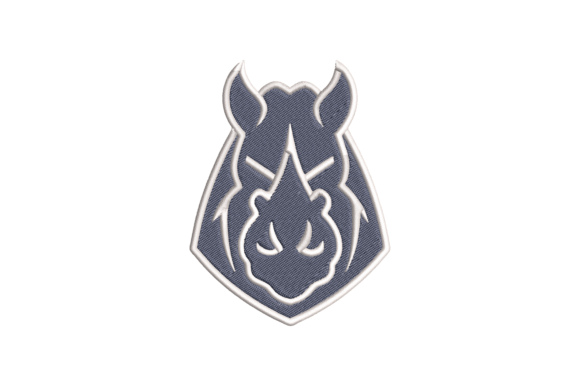
As an embroidery designer who’s tested hundreds of wildlife motifs for personalized gift shops, Rhinoceros stands out—not for flashiness, but for quiet sincerity. It doesn’t shout “wild” with exaggerated poses or cartoonish flair. Instead, it carries a grounded, life-like presence: soft contours, thoughtful eye detail, and subtle texture in the hide that suggests age, strength, and tenderness all at once. This isn’t just a machine embroidery design—it feels like a story waiting to be stitched onto something meaningful. Customers drawn to nature-inspired keepsakes—especially those valuing authenticity over trendiness—will immediately connect with its calm dignity. It reads as modern *and* timeless, handmade *and* precise.
Where Rhinoceros Shines in Personalized Gifting
Rhinoceros adapts beautifully across emotionally resonant product categories. For baby embroidery, it’s unexpectedly perfect: gentle enough for nursery decor (think organic cotton crib sheets or muslin swaddles), yet distinctive enough to avoid cliché. On a baby blanket, it becomes a quiet heirloom—not loud, not fussy, just deeply personal.
For wedding gifts, Rhinoceros adds unexpected warmth. Imagine it embroidered on linen pillow covers for the couple’s guest room, or subtly stitched inside a custom tote bag for the honeymoon—symbolizing resilience and enduring care. It’s also ideal for family keepsakes: a small hoop-stitched Rhinoceros on a hand-stitched quilt square, or framed in a shadow box with baby’s first socks or wedding vows.
Kitchen and home items gain instant character with Rhinoceros. An embroidered towel? Yes—especially if you balance stitch density and thread color contrast so the design remains crisp after repeated washing. Pillow covers, aprons, and tote bags benefit from its strong silhouette and natural scale. At craft fairs or on Etsy, Rhinoceros helps small shop products stand out: it signals intentionality, craftsmanship, and emotional intelligence in design curation.
Smart Placement & Fabric Considerations
Rhinoceros is expressive—but not indestructible. Use it thoughtfully on textured fabric: heavy terry cloth or thick woven towels require denser stabilizer and possibly simplified thread paths to prevent puckering or skipped stitches. On stretchy baby clothes (like knit onesies), always test with cut-away stabilizer and reduced tension; the design’s confident lines can distort if the base fabric gives too much.
Avoid placing Rhinoceros on highly curved surfaces (like tapered mugs or contoured tumblers) unless you’re using it as a flat appliqué element. Likewise, dark fabric demands careful thread color selection—light neutrals (ivory, warm taupe, oatmeal) often read clearer than stark white, which can look chalky. Always compare light and dark fabric mockups before finalizing a listing or customer preview.
Small lettering? Rhinoceros itself contains no text—so pairing it with custom monogramming or a short phrase (e.g., “Brave & Gentle”) works well, but keep any added lettering above 8 mm height for reliable stitch-out. Delicate details—like fine nostril shading or ear texture—should be verified post-stitch on your target fabric. What looks sharp in a digital embroidery file may soften on loosely woven cotton or fleece.
Why Rhinoceros Elevates Giftability & Trust
Customers don’t just buy embroidery—they buy meaning, memory, and perceived care. Rhinoceros supports that instinctively. Its lifelike charm signals attention to detail, raising perceived value without demanding premium pricing. When used on a finished product—say, a custom blanket for a newborn—the design invites slower looking, longer holding, and deeper emotional connection. That translates directly to better product photography (clean lines photograph crisply), higher buyer engagement (especially among eco-conscious or nature-loving shoppers), and repeat trust (“They chose something real—not generic”).
For Etsy sellers and handmade product creators, Rhinoceros strengthens brand voice. It positions your shop as thoughtful, curated, and attuned to customers seeking substance over sparkle. And because it belongs to the Wild Animals category, it fits seamlessly into broader collections—pairing naturally with elephant, fox, or owl designs for seasonal bundles or themed nursery sets.
Practical Embroidery Notes You Can’t Skip
Before stitching Rhinoceros for a customer order—or listing it as part of a digital embroidery file bundle—follow these steps:
- Test on scrap fabric that matches your intended product (e.g., terry cloth for towels, brushed cotton for blankets).
- Check thread color contrast under natural and indoor lighting—some blends shift dramatically.
- Confirm hoop size compatibility—if your machine has limited throat space, verify Rhinoceros fits comfortably without re-hooping mid-stitch.
- Review stitch density: overly dense fills may overwhelm lightweight fabrics; overly sparse ones lose definition on dark backgrounds.
- Use proper stabilizer: medium-weight cut-away for stable wovens, tear-away for temporary support on linens, and fusible + cut-away combo for knits.
- Compare light/dark fabric mockups side-by-side before approving a custom order preview.
- Inspect small details post-stitch: especially ear folds, eye highlights, and horn texture—these define Rhinoceros’s personality.
- Confirm commercial licensing before selling finished products. Since Rhinoceros is marketed as a Wild Animals embroidery design, verify whether the license permits resale of physical items—and whether attribution is required.
If exact stitch count, file format (DST, PES, JEF, etc.), or licensing terms aren’t clearly stated with Rhinoceros, reach out to the designer or vendor before committing to bulk production or digital resale. Clarity here protects your small business reputation and ensures every personalized gift reflects integrity—from concept to cuff.
Rhinoceros isn’t just another animal motif. It’s a conversation starter, a comfort symbol, and a quietly powerful signature for makers who believe embroidery should carry weight—emotionally, aesthetically, and ethically. Whether you're stitching for a baby’s first blanket or curating a wedding gift suite, this design earns its place with grace, grit, and genuine charm.