Male Runner: A Craft Fair Embroidery Design Worth Your Booth Space
As an embroidery designer who’s packed, stitched, and sold at over 40 craft fairs—and helped dozens of small shop owners scale their handmade product lines—I’m always scanning for designs that do the work: grab attention from six feet away, translate beautifully across fabric types, and feel intentional—not generic—on finished goods. So when I pulled up Male Runner, my first thought wasn’t “sports motif”—it was “Who’s wearing this, and where are they going?” That’s the sign of a design with quiet storytelling power.
First Impression: Whimsical, Not Athletic—And That’s Its Strength
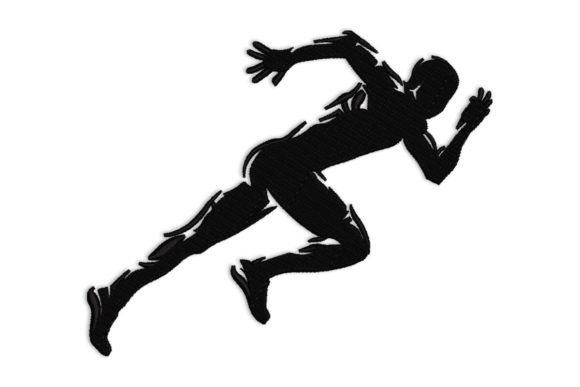
The title Male Runner suggests motion, energy, maybe even competition—but the description (“a touch of whimsy and charm”) tells the real story. This isn’t a hyper-realistic marathoner or a bold gym-logo treatment. It’s likely stylized, friendly, and approachable—think clean line work, gentle curves, maybe a playful pose or soft silhouette. That makes it unexpectedly versatile: it reads as modern rustic on linen tea towels, gentle vintage on cotton aprons, and curated minimal on unbleached canvas tote bags. It avoids the “too literal” trap many sports-themed embroidery files fall into—and that’s why it stands out in a sea of generic florals and quote-based designs.
Where Male Runner Shines (and Where It Needs Care)
Tote bags: Perfect focal point centered on the front panel—or scaled down as a subtle corner accent. The runner motif adds narrative without shouting; customers instantly imagine carrying it to farmers’ markets, studio visits, or weekend hikes. As a craft fair product, it feels both personal and purposeful.
Aprons and tea towel embroidery: High-visibility placements where movement and utility meet. On a striped baker’s apron, Male Runner becomes part of the story—not decoration, but identity. On a flour-dusted tea towel? It invites a smile, not just function. Just ensure stitch density stays balanced—dense fills can stiffen kitchen linens.
Embroidered patches and fabric pouches: Here’s where Male Runner earns repeat value. As a sew-on patch, it transforms plain denim jackets or backpacks into curated handmade goods. On a drawstring pouch? It elevates gifting—think “handmade soap + runner patch” bundles. But caution: if the design includes fine legs, tiny shoes, or thin arms, test scaling below 3”. Tiny details vanish on dense weaves or textured terry cloth.
Caps and pillow covers: Cap embroidery demands careful placement—avoid stretching over curved seams. If Male Runner is narrow and horizontal, it’ll sit cleanly above the bill. Pillow covers? Ideal for center-front or lower-corner placement. Its gentle energy reads as calm, not chaotic—great for bedroom or reading nook displays.
What Makes Male Runner Sell—Beyond the Stitch
At a craft fair, people don’t buy embroidery—they buy feeling. Male Runner delivers subtle confidence, lighthearted motion, and quiet individuality. It doesn’t scream “SPORTS!”—it whispers “I move with intention.” That resonates with buyers who choose handmade over mass-produced: they’re investing in meaning, not merch.
Visually, it strengthens your booth display by adding rhythm and contrast. Pair it with botanical prints or neutral linens, and it becomes the unexpected spark. For Etsy sellers, it photographs cleanly—even on dark fabric—if thread colors offer strong contrast (e.g., oatmeal thread on navy canvas, or charcoal on cream). And yes—it scales well for printable mockups: one well-lit photo of the design on a tote, apron, and patch creates instant visual cohesion for your listing.
Production Notes Every Embroidery Designer Should Check
- Test before you commit: Run Male Runner on scrap fabric matching your final product—especially textured towels or thick twill caps. Watch for puckering or skipped stitches.
- Stabilizer matters: Lightweight cutaway for stable wovens (totes, aprons); tear-away + topping for napped or fuzzy fabrics (terry, fleece).
- Hoop size & spacing: Confirm the file fits your standard hoop—and check if elements float freely or require re-hooping. Fewer re-hoops = faster batch production.
- Thread colors: Choose hues that enhance, not compete. Earthy tones (olive, rust, slate) keep it grounded; bright accents (coral, mustard) add cheerful contrast.
- Commercial licensing: Since this is a digital embroidery file, verify whether your purchase includes rights to sell finished products. Never assume—this protects your small shop product legally and reputationally.
Final Thought: Male Runner Is a Quiet Workhorse
In a crowded handmade market, standout designs often aren’t the loudest—they’re the most thoughtful. Male Runner doesn’t need glitter or slogans to connect. It works because it feels human: active but unhurried, simple but expressive, sporty without being stereotyped. Whether stitched on a market bag for a yoga instructor, an apron for a ceramicist, or a patch for a trail-running teen, it carries warmth and authenticity.
For creative entrepreneurs, that’s gold. It’s repeatable across your product line, photogenic for social media, and easy to explain to curious fairgoers (“It’s for anyone who moves through life with joy”). And as a machine embroidery design, its success hinges not on complexity—but on clarity, consistency, and care in execution.
So yes—pull Male Runner into your next craft fair lineup. Just remember: let the fabric breathe, match stabilizer to texture, and always, always make at least one real mockup before cutting fabric. That single sample will tell you everything the file specs won’t.