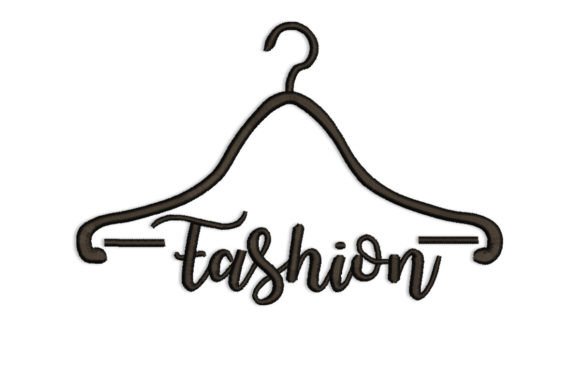
Clothes Hanger Embroidery Design
A Seasonal Designer’s First Impression: Chic, Clean, and Quietly Festive
As an embroidery designer who’s built holiday collections for over a decade—think cozy Christmas markets, spring bridal pop-ups, and back-to-school boutique drops—I opened Clothes Hanger expecting simplicity. What I found was something more intentional: a fashion-boutique-inspired illustration that balances minimalism with quiet personality. It doesn’t shout “holiday!”—but it *whispers* elegance, organization, and thoughtful gifting. The line work feels crisp yet hand-drawn, with subtle curves and balanced negative space. No glitter, no snowflakes, no bells—but that’s its strength. Clothes Hanger lands as modern, slightly romantic, and effortlessly premium—ideal for customers who value curated style over seasonal cliché.
Where This Design Shines in Real Holiday Selling Situations
Clothes Hanger isn’t just another embroidery file—it’s a versatile anchor for cohesive seasonal storytelling. On sweatshirt embroidery, it reads as elevated loungewear: think matching family sets with monogrammed initials beside the hanger motif. As a tote bag design, it becomes a quiet signature for boutique-branded gift bags or reusable shopping totes sold alongside handmade soaps and candles. For kitchen towel embroidery, it adds wit and warmth—imagine it stitched above a linen tag reading “For the Host Who Has Everything (But Still Needs One More Hanger).”
It performs beautifully on pillow covers for guest rooms or nurseries (“Baby’s First Boutique Wardrobe”), doubles as a charming embroidered patch for denim jackets or backpacks, and scales elegantly onto ornaments and aprons. Because it avoids literal holiday symbols, Clothes Hanger stays relevant across multiple seasons—making it perfect for limited-edition drops, evergreen Etsy listings, and craft fair displays where shoppers seek timeless handmade gifts—not dated decor.
On social media, Clothes Hanger stands out in flat-lay mockups: paired with folded cashmere, a silk scarf, or vintage perfume bottles, it signals sophistication. For printable promotional graphics, its clean silhouette converts well into minimalist holiday lookbooks or email headers—no busy background needed. And because it’s inherently giftable (a hanger *is* a functional object), it boosts perceived value in gift bundles—especially when paired with matching stitch kits, fabric care cards, or branded tissue paper.
Smart Placement & Practical Limits: Where to Use Clothes Hanger Thoughtfully
This design shines brightest when applied with intention—not everywhere. Avoid cramming Clothes Hanger into tiny hoop sizes under 4x4 inches unless the file explicitly includes a simplified version. Delicate loops or fine stems may lose definition at small scale, especially on textured fabrics like thick terry cloth or looped kitchen towels. On dark fabric, test thread colors thoroughly—matte black or deep navy thread can recede; consider heather gray or charcoal for contrast without harshness.
Be mindful of stitch density: if the file includes layered details (e.g., subtle wood grain or brushed metal texture), confirm stabilizer choice—medium-weight cutaway works best for apparel; tear-away suffices for stable home linens. Avoid using Clothes Hanger on highly stretchy garments (like ribbed knits) without proper stabilization and reduced tension—distortion around the hook curve is common. And while it stitches cleanly on curved caps, skip it for baseball-style front panels where the shape fights the hanger’s vertical orientation.
Metallic thread? Proceed with caution. The design’s clean lines benefit from luster, but metallics increase breakage risk—reserve them for low-stress placements like pillow covers or framed wall art, not high-wash items like baby onesies or aprons.
How Clothes Hanger Elevates Your Seasonal Strategy
In holiday shopping, emotion drives decisions—and Clothes Hanger taps into the warm, aspirational feeling of intentionality: the joy of a well-organized closet, the pride of a thoughtfully wrapped gift, the quiet confidence of personal style. That emotional resonance builds customer trust faster than overt holiday themes. Buyers recognize it as part of a considered brand—not mass-produced filler.
It strengthens brand consistency for small shops: use it across product categories (totes, towels, patches) with a unified thread palette—say, oatmeal, slate, and rose quartz—and your shop feels curated, not cluttered. Visually, its strong silhouette ensures instant recognition in crowded Etsy feeds or Instagram carousels. And because it’s inherently giftable and personalizable (add names, dates, or tiny accents), it supports higher average order values—customers add monogramming or bundle with coordinating items.
Designer Notes You Can’t Skip Before Stitching
- Always test thread colors on both light and dark fabric swatches—what reads elegant on ivory may vanish on charcoal.
- Check stitch density before scaling: dense fills may pucker thin cotton; sparse outlines may fray on heavy toweling.
- Confirm hoop size requirements—don’t assume compatibility with your smallest frame.
- Use appropriate stabilizer: cutaway for knits and wearables; tear-away or wash-away for delicate linens.
- Create realistic mockups—not just digital previews, but stitched samples on actual fabric textures you sell.
- Review small details post-stitch: check hook curvature, stem alignment, and edge sharpness under natural light.
- Plan your color palette early: choose 3–4 thread tones that support your seasonal collection—not just what’s in stock.
- Verify commercial licensing before selling finished products—this is non-negotiable for Etsy sellers and small shop owners.
Remember: Clothes Hanger isn’t just a machine embroidery design. It’s a quiet invitation—to organize, to celebrate personal style, to give something useful *and* beautiful. In a season full of noise, that kind of clarity sells.