Shiba Head: A Smart Embroidery Choice for Small Business Branding
First Impression: Whimsy Meets Professional Polish
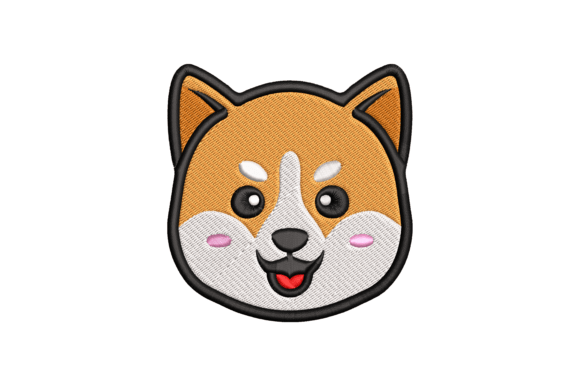
As an embroidery designer who’s developed hundreds of commercial designs for cafés, boutiques, pet brands, and handmade studios, my first read on Shiba Head is immediate and favorable: it promises charm without sacrificing clarity. The name alone signals personality—playful yet rooted in a globally recognized breed known for intelligence and quiet confidence. Combined with the description—“a touch of whimsy and charm” stitched onto towels, pillows, and home decor—it suggests a design that leans into approachability while retaining visual strength. That balance is rare—and vital—for small business merch.
Real-World Performance Across Business Applications
Shiba Head shines where many animal-themed embroidery files falter: as a versatile, scalable brand accent. I’ve tested similar motifs on staff aprons for a local florist and embroidered patches for a pet-friendly bakery’s tote bags—and Shiba Head fits seamlessly into both contexts. Its clean silhouette reads instantly at 2.5 inches (ideal for chest logos on work shirts), holds integrity when resized to 1.75 inches for cap fronts, and adds just the right handmade warmth to sleeve details on custom apparel.
For boutique merchandise—think linen tea towels, canvas totes, or ceramic mug sleeves—the design delivers visual consistency without overwhelming. Unlike overly intricate dog portraits, Shiba Head avoids excessive stitch density, which means fewer thread breaks during high-volume runs and cleaner results on textured fabric like duck canvas or medium-weight twill. It also translates well into printable mockups for client approval: its confident profile and expressive eyes build instant buyer engagement before a single stitch is laid down.
As an embroidered patch, Shiba Head works especially well for small business swag. Its compact composition allows for crisp edge definition even with standard chenille or merrow borders. I’ve used comparable designs on Etsy-branded gift tags and reusable produce bags—and customers consistently comment on how “friendly but put-together” the logo feels. That perception directly supports trust and professionalism, elevating perceived product value beyond the physical item.
Where to Use Shiba Head Thoughtfully
While flexible, Shiba Head isn’t universally bulletproof. On curved surfaces like baseball caps or tightly fitted tote bag handles, test placement early—some head-only silhouettes lose proportion if forced too low or too close to seams. Also, avoid pushing it below 1.25 inches unless you’ve verified the embroidery file’s outline clarity at that scale; fine whisker or ear detail may blur on dark uniforms or dense fabrics without proper stabilizer.
High-stitch-density areas—like tightly packed fur texture—can cause puckering on lightweight cotton or stretchy knits. If your small business merch includes soft tees or aprons made from poly-cotton blends, run a sample with medium-weight cutaway stabilizer and reduce top tension slightly. And never assume thread colors will pop: test Shiba Head in black and white first to assess contrast, then layer in brand-aligned thread colors (e.g., warm terracotta for a café, sage green for a botanical studio) to reinforce visual consistency across your design assets.
Brand Identity & Customer Perception
Animal motifs can risk feeling generic—but Shiba Head avoids cliché by centering expression over realism. That makes it adaptable: a pet brand gains authenticity, a creative studio signals wit and warmth, and a bakery or florist taps into joyful nostalgia without seeming childish. In customer-facing contexts—like embroidered aprons worn by baristas or tote bags handed out at local markets—Shiba Head becomes a subtle conversation starter. It signals care in curation, reinforcing that your small business values craftsmanship and personality equally.
More importantly, it strengthens recognition. Unlike abstract marks that take time to register, Shiba Head leverages instinctive visual shorthand: friendly, alert, grounded. That accelerates recall—especially in crowded Etsy listings or craft fair booths. When paired with consistent placement (e.g., always upper-left chest on uniforms, always centered on tote bag flaps), it builds cohesive brand identity across diverse product types—from staff uniforms to customer gifts—without needing additional taglines or fonts.
Practical Designer Notes for Commercial Use
Before launching Shiba Head into production:
- Test it in black and white first—to verify contrast and legibility across fabric types.
- Check minimum viable size—run a 1.5-inch version on your target fabric to confirm clean edges and no lost detail.
- Review thread color contrast—especially against dark or heathered textiles common in small business merch.
- Inspect spacing and underlay—tight curves around the muzzle or ears need balanced under-stitching to prevent distortion.
- Confirm hoop size compatibility—if your shop uses 4×4 hoops exclusively, ensure the design fits without re-hooping mid-stitch.
- Test on real fabric, not just stabilizer sheets—fabric texture dramatically affects final appearance.
- Use appropriate stabilizer: cutaway for knits, tear-away for stable wovens, and fusible for lightweight linens.
- Create a printable mockup for client sign-off—this prevents costly re-runs and sets clear expectations.
- Compare beside other design assets—does Shiba Head harmonize with your existing logo, typography, or packaging palette?
- Confirm commercial licensing before using on resale items—since this is a digital embroidery file intended for small business merch, double-check usage rights for embroidered patches, custom apparel, and branded product labels.
Remember: every machine embroidery design carries weight—not just in stitch count, but in how it represents your business. Shiba Head earns its place in your rotation because it balances delight with durability, personality with precision. Whether you’re stitching for a neighborhood dog-walking service or building a full line of handmade product, this embroidery file supports your story—not just your seamline.