Round Frame Made from Leaves. Floral Frame
A Quiet, Confident Wreath—Not Too Fussy, Not Too Sparse
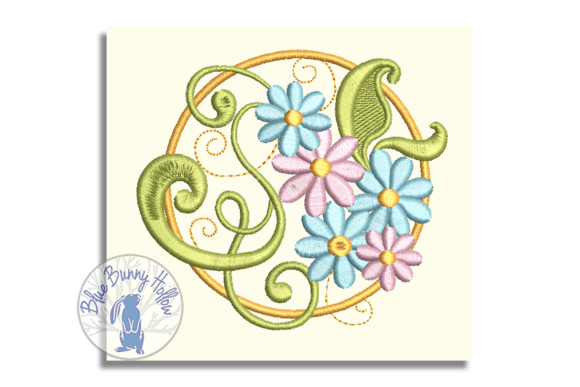
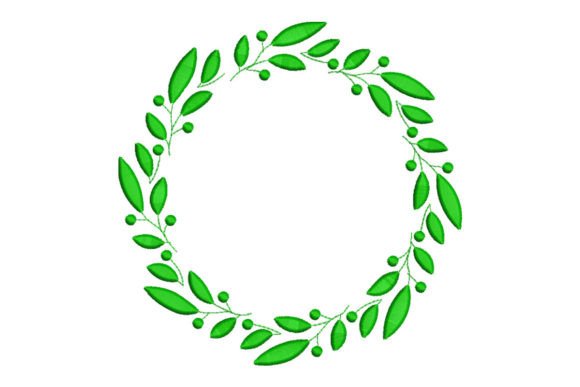
First impression? This isn’t a showy, oversized floral explosion—it’s a composed, circular frame built entirely from layered leaves. No roses, no peonies, no filler blossoms. Just foliage: some broad, some slender, some gently overlapping with soft tapering tips. It reads as organic but intentional—like something you’d find pressed in a well-loved botanical journal. That restraint is its strength. It feels grounded, calm, and quietly elegant—ideal for customers who lean into earthy minimalism, modern nursery themes, or small-batch boutique branding.
Where It Shines in Real Projects
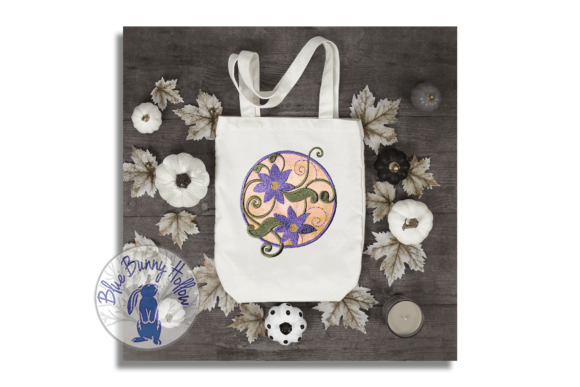
I recently tested Round Frame Made from Leaves. Floral Frame on a natural linen tote bag for a local herbalist’s shop launch. The design sat cleanly centered above the pocket—no visual competition, no clutter. Because it’s all leaves, there’s no “wrong” way to read it: upside-down? Still reads as a wreath. Slightly off-center? Feels intentional. That flexibility matters when stitching across varied garment shapes and fabric drape.
It works especially well on:
- Sweatshirt embroidery—the round shape balances boxy silhouettes without overwhelming the chest area;
- Baby embroidery on onesies or swaddles—soft edges and no tiny flower centers mean fewer snag points and gentler texture against delicate skin;
- Embroidered patch backing—its self-contained shape means clean cutaway edges and strong stitch definition even at 3.5"–4" diameter;
- Kitchen towel or tea towel design—the leaf-only motif reads clearly at arm’s length, and avoids looking “too floral” in a functional space;
- Personalized gift (e.g., monogrammed inside the frame) where the wreath frames meaning—not just decoration.
Where to Pause Before Stitching
This design breathes best on stable, medium-weight fabrics. On thin cotton (like lightweight tees), check stitch density first—dense fill stitches in overlapping leaf areas can cause puckering if stabilizer isn’t matched carefully. On stretchy knits (think raglan sleeves or baby bodysuits), use cutaway + tear-away combo stabilizer and reduce top tension slightly—those long, curved leaf stems don’t forgive distortion.
Curved surfaces like caps or bucket hats need extra attention: test hoop placement early. The round symmetry helps, but tight curves can compress outer leaf tips. If using on dark fabric, confirm thread colors have enough contrast—some leaf greens fade into charcoal or navy unless you choose heathered or lime-toned threads.
Avoid cramming it into tiny hoops (<3"). The subtle layering of leaves loses clarity below ~3", and fine stem details may collapse or skip. Likewise, avoid pairing it with dense decorative accents *inside* the circle unless you’re confident in your machine’s precision—this design earns its quiet presence by not competing.
What It Adds to Your Finished Product—Beyond Looks
Round Frame Made from Leaves. Floral Frame subtly elevates perceived value—not through flash, but through intentionality. Customers notice when a design feels considered, not copied. On an Etsy listing for handmade aprons, this frame signals craftsmanship over clipart. On a holiday embroidery kit, it reads as heirloom-adjacent—timeless, not trendy.
It supports brand consistency beautifully: pair it across product lines (a matching pillow cover + kitchen towel + baby blanket) and the shared motif becomes recognizable without shouting. And because it’s leaf-based—not seasonal—it transitions smoothly from spring gifting to fall nursery decor to year-round boutique merchandise.
Practical Designer Notes—Before You Hoop Up
- Test on scrap fabric first—especially if using textured weaves (burlap blends, slub linen) where leaf edges might catch or blur;
- Review stitch density in the overlapping zones—look for any unintended stacking that could cause stiffness or shadowing;
- Confirm hoop size compatibility—if your machine requires re-hooping mid-design, note where leaf clusters sit relative to hoop edges;
- Inspect small details under magnification: are stem tips sharp or frayed-looking post-stitch? That tells you whether your needle size and stabilizer combo are dialed in;
- Try black-and-white mockups—this design relies on form and flow more than color, so grayscale previews reveal structural balance fast;
- Use proper stabilizer: medium-cutaway for knits, tear-away for stable wovens, fusible for lightweight linens;
- Verify licensing before selling finished products or digital embroidery files—Round Frame Made from Leaves. Floral Frame is ideal for craft business use, but always confirm commercial rights directly with the source;
- Compare light/dark backgrounds—a pale olive thread on cream linen reads differently than forest green on black denim.
Final Thought: A Design That Listens
In a market flooded with busy, high-detail floral wreaths, Round Frame Made from Leaves. Floral Frame stands out by listening—to fabric, to function, to the person wearing or gifting the item. It doesn’t demand attention; it earns it through cohesion and calm. Whether you’re an Etsy seller building a signature look, a small shop owner curating seasonal merchandise, or a designer prepping a client’s custom apparel line, this is the kind of embroidery file that quietly strengthens your work—not because it shouts, but because it belongs.