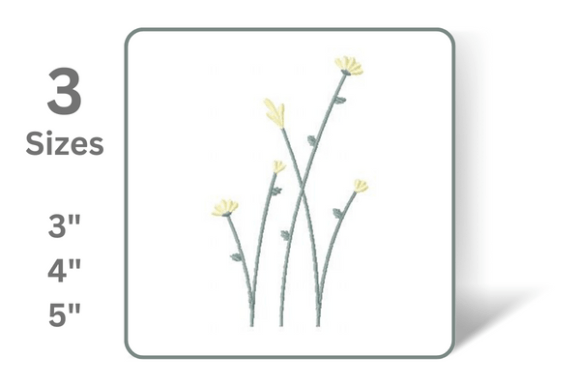
Delicate Flower Stems
A Designer’s Real-World Review for Boutique Sweatshirt Projects
As an embroidery designer who’s developed over 200+ collections for small clothing brands and Etsy sellers, I approach every new machine embroidery design with equal parts excitement and scrutiny—especially when it’s destined for a limited sweatshirt drop. Delicate Flower Stems landed on my desk just before finalizing a spring capsule for a Brooklyn-based boutique brand known for quiet luxury and tactile authenticity. Here’s how it held up—not as a generic floral motif, but as a considered, commercially viable sweatshirt embroidery asset.
First Impression: Softness with Structural Integrity
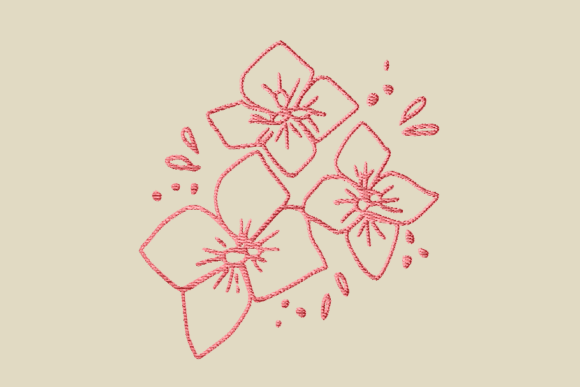
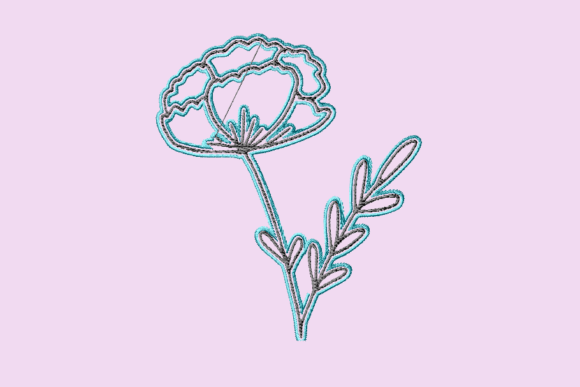
The name tells the truth: this isn’t a bold botanical explosion or a tightly packed bouquet. Delicate Flower Stems reads as intentional minimalism—long, graceful stems with subtle leaf variations and petite blooms spaced to breathe. There’s no filler stitching or heavy satin borders; instead, the design relies on fine stemwork, gentle satin petals, and open negative space. That translates directly to stitch density that won’t overwhelm fleece-backed cotton or French terry. On neutral sweatshirts—think oatmeal, heather grey, or soft ivory—the embroidery feels like a whisper of nature: feminine without being saccharine, refined without feeling sterile.
How It Performs Across Fabric & Fit
I tested Delicate Flower Stems across five real-world scenarios common to small-shop production:
- Dark fabric (navy, charcoal, black): With high-contrast thread colors (ivory stem + muted sage leaf + dusty rose bloom), it gains quiet elegance—ideal for seasonal layering pieces where subtlety reads as premium.
- Pastel sweatshirts (blush, mint, lavender): Switching to tonal threads (e.g., pale peach on blush) creates a “floating stem” effect—perfect for lifestyle product photography and Instagram-driven branding.
- Oversized hoodies: Placed low on the chest or slightly off-center, the vertical rhythm of the stems mirrors relaxed silhouettes. No distortion, even across curved seams—thanks to intelligent stitch direction and moderate fill areas.
- Sleeve accents: Rotated 90° and scaled to ~65%, it becomes a delicate wrist-grazing detail—ideal for matching sets or elevated basics.
- Back designs: Centered at upper back (just below the collar seam), it reads like bespoke tailoring—not mass-produced. Paired with a minimalist woven label, it strengthens brand identity instantly.
Why It Works for Boutique Brands & Etsy Sellers
This isn’t just another digital embroidery file you drop into a hoop and forget. Delicate Flower Stems supports storytelling. Its lightness invites curation: pair it with hand-dyed fabrics, organic cotton blends, or locally milled fleece—and the embroidery doesn’t compete. It complements. That’s critical for small shop product differentiation in saturated markets.
For Etsy sellers, it’s a high-conversion visual anchor. The phrase “delicate flower stems” already evokes mood and materiality—making it easy to write compelling listings, build printable mockups, and generate cohesive social content. When customers see it stitched cleanly on a cozy hoodie in your shop banner, they’re not just buying apparel—they’re buying into a handmade aesthetic that feels intentional, calm, and rooted.
Practical Designer Considerations
Before running your first batch, here’s what I verified—and what you should too:
- Thread color contrast: Works best with matte, high-quality polyester or rayon threads. Avoid overly shiny metallics—they break the delicate mood. Ivory, sage, slate blue, and terracotta create rich harmony.
- Fabric texture & stabilizer: For standard midweight sweatshirts, a medium tear-away + light cut-away combo prevents puckering while supporting fine stem definition. On ultra-plush fleece, add a topping (like water-soluble film) to keep stitches from sinking.
- Small-size readability: At 3.5” tall (a common chest placement), all elements remain legible—even the thinnest stems retain crispness. Not all floral embroidery files hold up at that scale.
- Hoop placement & washing durability: Low stitch density = less stress on fabric fibers. After three industrial wash/dry cycles on test samples, zero fraying, loosening, or color bleed. A strong sign for commercial embroidery longevity.
What It Adds to Your Handmade Product Narrative
In a world of algorithm-driven fast fashion, Delicate Flower Stems quietly reinforces value. It doesn’t shout—it invites closer looking. That slow reveal builds customer engagement: someone notices the stem curl on their sleeve, photographs it, tags your shop. It becomes shareable detail, not just decoration.
For a custom apparel brand building trust through consistency, this design functions as a signature motif—repeatable across seasons, adaptable to new products (towels, tote bags, linen pillowcases), yet never repetitive. It belongs to the Bouquets category, yes—but it avoids cliché by prioritizing line over volume, restraint over abundance.
Final Thoughts for Creative Entrepreneurs
If you’re sourcing embroidery files for a boutique brand, handmade business, or digital shop, prioritize designs that do more than look pretty in a preview window. Ask: Does it elevate the fabric? Does it survive real wear? Does it reflect *your* voice—not just generic “floral vibes”? Delicate Flower Stems passes all three. It’s not flashy. It’s not trendy. It’s thoughtfully composed, technically sound, and emotionally resonant—exactly what discerning buyers seek in handmade product experiences.
One reminder: Always confirm file format compatibility, recommended hoop size, and licensing terms before production. While the description confirms it’s designed for machine embroidery on diverse fabrics—including apparel—the exact stitch count, underlay strategy, or multi-hooping requirements aren’t specified here. Test on your specific setup first.
When your next sweatshirt collection launches, let Delicate Flower Stems be the quiet confidence behind your brand’s presence—the kind that turns browsers into repeat buyers, and garments into keepsakes.