Cute Bear Applique: A Designer’s Real-World Review
First Impressions: Charm That Stitches Well
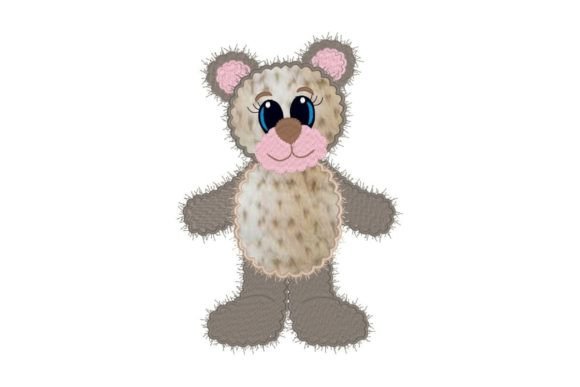
When I opened Cute Bear Applique for the first time, I didn’t just see a bear—I saw a mood. Soft curves, rounded ears, and gentle facial stitching suggest warmth and approachability—not cartoonish, not cloying, but quietly confident in its sweetness. As an appliqué design, it leans into fabric layering rather than dense embroidery alone, which immediately tells me this isn’t meant for high-detail realism. It’s built for readability at small-to-medium scales, with clean negative space around the bear’s outline and intentional breathing room between satin-stitched edges and fill areas. That matters—especially when you’re stitching on a curved surface like a baby onesie or a structured tote bag.
A Real Project Test: Custom Embroidered Tote Bags for a Local Boutique
Last week, I prepped Cute Bear Applique for a batch of organic cotton tote bags destined for a neighborhood gift shop. The client wanted something friendly but not juvenile—appealing to moms, teachers, and nature-loving teens alike. Cute Bear Applique landed perfectly: the appliqué base gave dimension without bulk, and the embroidered details (like the subtle nose contour and ear stitching) held up beautifully at 3.5 inches wide. On light fabric, the contrast between the appliqué fabric and thread colors popped cleanly; on heather grey, I swapped to a slightly heavier stabilizer and adjusted top tension—and it still read clearly. No floating threads, no puckering. That’s not luck—it’s thoughtful design pacing.
Where It Shines (and Where to Pause)
Cute Bear Applique works exceptionally well for:
- Custom apparel—especially sweatshirts, lightweight hoodies, and structured caps where appliqué adds texture without stiffness;
- Baby embroidery and nursery decor, thanks to its soft silhouette and lack of tiny, easily frayed elements;
- Embroidered patches and iron-on appliqués for craft fairs or Etsy listings—its shape is self-contained and edge-friendly;
- Holiday embroidery and personalized gifts, especially when paired with simple monograms or seasonal accents (a tiny leaf, a stitched pinecone);
- Small shop products like tea towels, pillow covers, and aprons where visual charm must translate quickly at arm’s length.
But here’s where I slow down:
- Thin or highly stretchy fabric: The appliqué base needs stable backing—skip it on slinky knits unless you’re using cutaway + topping combo.
- Dark fabric with light thread: The satin stitch edges can blur if thread tension isn’t dialed in. Always test on scrap first.
- Curved surfaces like baseball caps: The bear’s bottom edge stays flat—no warping—but avoid placing it too close to the cap’s front seam where distortion creeps in.
- Dense stitch areas near corners: There’s no fine-line running stitch outlining the bear’s paws—so if your machine tends to “jump” on tight turns, inspect those zones closely in your embroidery file preview.
What It Does for Your Craft Business
Cute Bear Applique elevates perceived value without demanding premium skill. For Etsy sellers and handmade shop owners, that’s gold. Customers don’t need to know about stitch density or underlay—they feel the difference between “machine-made” and “thoughtfully made.” When stitched cleanly, Cute Bear Applique reads as intentional, not generic. It supports brand consistency for woodland-themed lines (think matching bear + fox + owl sets), and it photographs well in printable mockups—no excessive shadowing or detail loss at common e-commerce sizes.
It also builds trust. Parents buying baby embroidery look for safety *and* sincerity—Cute Bear Applique avoids sharp angles or overly stylized features that might feel impersonal. And for commercial embroidery shops? Its moderate stitch count (relative to photorealistic designs) means faster turnarounds and fewer thread breaks during multi-piece runs.
Designer Notes You’ll Actually Use
Before stitching Cute Bear Applique on your next project, do these five things:
- Test on scrap fabric—same type, same stabilizer, same thread colors you plan to use;
- Check thread color contrast in natural light, not just screen preview—especially if selling digitally or listing on Etsy;
- Review stitch density in your embroidery software: look for any overfilled areas near the bear’s cheeks or ears that could cause stiffness;
- Confirm hoop size compatibility—appliqué designs often require more real estate than standard embroidery files;
- Verify licensing before bundling Cute Bear Applique into digital embroidery bundles or selling finished items commercially—this is non-negotiable for craft business owners.
Final Thought: Not Just Cute—Consistently Capable
Cute Bear Applique doesn’t try to be everything. It doesn’t mimic watercolor, mimic fur texture, or include hidden messages. What it does is hold space—visually and functionally—for kindness, craftsmanship, and quiet confidence. Whether you’re stitching it onto a child’s backpack, branding a line of organic kitchen towels, or building a Woodland Animals collection for your digital shop, it performs without fuss. That reliability is rare. In embroidery—where one skipped stitch can unravel hours of work—that’s not just practical. It’s professional.